27 March 2013

pop in Car Seat Protector Giveaway


For many Australians, especially those living in regional areas, travelling long distances is a way of life. Having lived in Outback Australia for over 13 years, popping Mr 3 years and Mr 10 months in the car and driving the 600km to Adelaide has become second nature. I must admit though, the trip is a different ball game altogether when undertaken with a toilet training toddler.

Asking a child to "just hold on" until the next public toilet just doesn't work in the Outback where it's not unusual for rest areas to be more than 100 kms apart. Public toilets or even a roadhouse are even further again! It's hard enough for mums who can't quite hold on as long as we could before childbirth to last the distance, let alone a two year old!

For the times when public amenities aren't nearby and you can't immediately pull over and whip the potty out of the boot, the pop in car seat protector provides peace of mind. While they are fantastic for providing peace of mind on our country roads, I imagine they would be just as useful when stuck in traffic in our major cities.

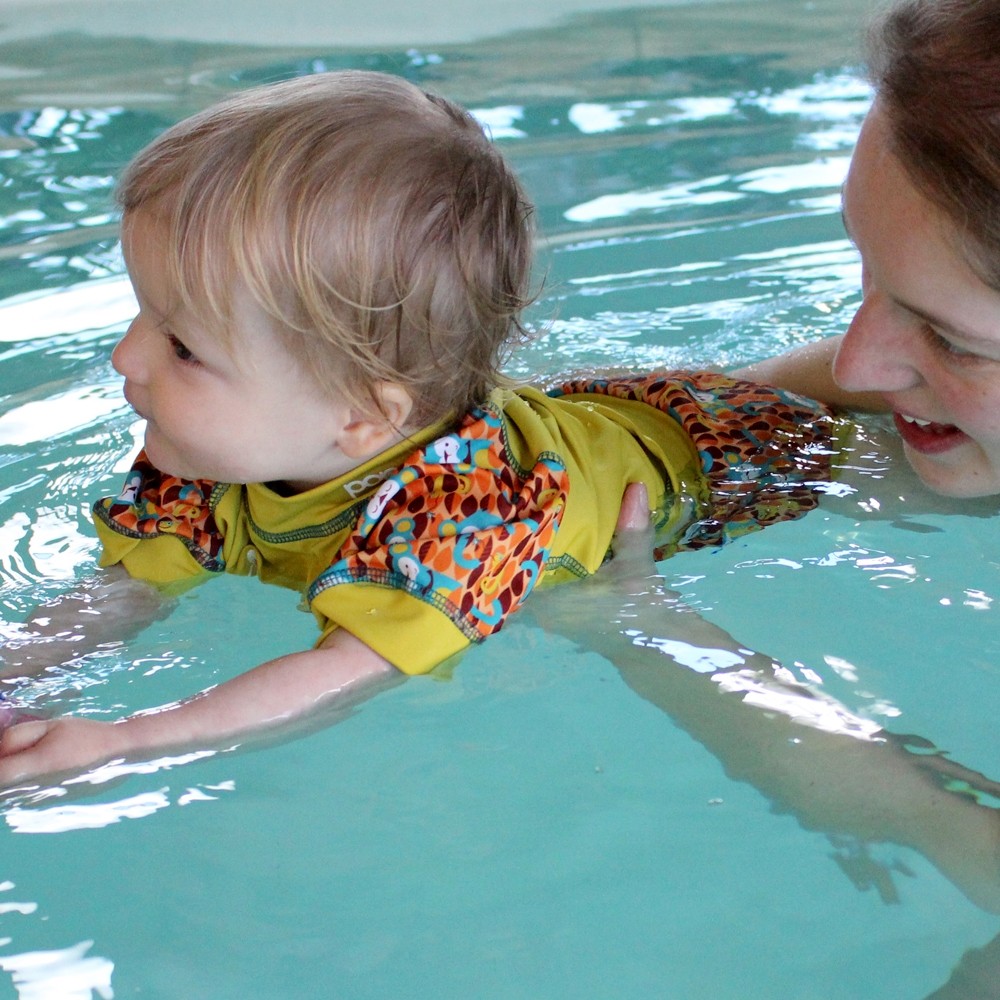
Made from 100% polyester laminate with a fleece insert, the pop in car seat protector makes light work of soaking up any unexpected accidents. Available in several funky styles, they retail for $22, a tiny price compared to the price of the car seat they are protecting.

Sustainababy has one pop in car seat protector in grey to giveaway to a lucky follower. This competition has now closed. Congratulations to our winner Melissa Jones!

CATEGORY: pop in, free, giveaway, car seat protector | POSTED BY: Laura McIlwaine |

17 January 2013

Eco-friendly Back to School Guide

Deck your child out in the latest sustainable back to school gear at Sustainababy. From eco-friendly lunchboxes, lunch bags and drink bottles to organic pencil cases and recycled plastic skipping ropes, we have your school yard needs covered.
 

1. Lunchbots QUAD Stainless Steel Lunchbox - Stainless Lid $25.95

2. Innate Vite Kids Stainless Steel Water Bottle - $14.95

3. SoYoung Insulated Lunchbox Blue Airplane - $34.95

4. Kids Konserve Ice Pack - Sky - $13

5. Apple & Bee Organic Pencil Case - Green - $19.95

6. Green Toys Jump Rope - $19.95

7. Keep Leaf Organic Insulated Lunch Bag - Fruit - $26.95

CATEGORY: eco-friendly, organic, sustainable, back to school | POSTED BY: Laura McIlwaine |

7 January 2013

19 Tips for Travelling with Babies and Young Children

By: Laura Trotta

Travelling at the best of times can be exhausting. Travelling with babies and pre-schoolers in tow is even more so!

Living in Outback South Australia away from our family in Adelaide, Victoria and Queensland, we consider ourselves seasoned travellers. Whether it’s driving the 1200km round trip to Adelaide or flying the two plane legs to Melbourne or Brisbane, we have refined our travelling “procedure” over the past few years since the arrival of our two sons.

If you’re thinking of taking a holiday with your children or just looking for ideas to make your regular travel a little simpler, read on for my top tips to make travelling with babies and young children as easy as possible:

Air Travel

  • Baby carriers are truly worth their weight in gold in general and in particular, in airport transfers and when travelling to regional areas where travel strollers and prams just can’t handle conditions such as beaches and gravel paths.
  • Babies really are very portable, particularly if breastfeeding. Maximise free (or reduce fee for international) air travel for infants less than 2 years of age. After that age, air travel really does add up!
  • Breastfeeding on the go is so much easier if you have your pillow with you. If your babies’ ears are susceptible to changing air pressures, feed on takeoff and landing.
  • Don’t skimp on airfares. By that I mean fly different legs with different airlines. The few dollars you may save isn’t worth the hassle of collecting and re-checking in baggage mid journey. Not to mention the risk of missing your second flight if the first one is delayed. Book with the single carrier and check your baggage the entire way through. 
  • Have healthy snacks on hand for you and your children. Don’t rely on having time between flights to purchase something. Often a nappy change and feed can take up all available time.
  • If you have more than one child, assign a parent to each child/ren as toddlers can quickly become lost in a busy airport.
  • Be ready with a sick bag if your tot suffers from motion sickness. Pack an extra outfit for them and yourself in your carry-on luggage, particularly if you have a connecting flight.
  • Travel as light as possible as extra baggage can cost a fortune. Best to do a load of washing or two during your trip rather than put your back (and wallet) out with extra baggage. Consider hiring or borrowing items such as car seat, portacot and stroller at your destination rather than travelling with them.
  • Don’t be shy in asking people for help. Whether it’s putting a nappy bag into the overhead locker or taking a bag off the carousel, many other travellers are only too happy to help a struggling parent. 
  • If you require a hire car, book well in advance to ensure you get the required infant / child seats fitted.
  • Try to schedule flights at times your child would normally be asleep.

Car Travel

  • Plan adequate stops on your journey to stretch legs, have a break etc. Parks and playgrounds (including McDonalds) are the best option here, particularly if you have an active child.
  • Pack plenty of healthy snacks in individual lunchboxes for all on board. If different children are sleeping at different times, it may be easier to eat in the car, swap drivers and keep driving rather than stop and risk waking children.
  • Our three year old is quite content to listen to music and look out the window for hours in the car (reading or other activities give him motion sickness). While we don’t have a portable dvd player or tablet, many friends of ours rave about them for long road travel.
  • If travelling in more remote areas, pack a potty as they come in handy for those quick pull ins into rest areas.
  • Car games can provide hours of entertainment. Games such as Eye Spy, counting windmills and car cricket (eg. you get a run for every car you see, six for 4WD, out when you see a motorbike) are always in fashion!


General Tips

  • Accept that travel can be a time of both excitement and anxiety for young children. It’s common that a “good sleeping” child may wake up more often when away in a strange bed / location.
  • Don’t over-schedule your days. Often one activity a day while away from home is exhausting enough.  
  • We prefer self catering accommodation so we can cook our own healthy meals and snacks. Even by preparing a simple breakfast and lunch each day you can save unnecessary dollars and calories. Cabins in caravan parks are usually reasonably priced and facilities such as laundry, playground and swimming pools are usually included.


Given that more and more families these days are living interstate and even overseas from extended family, travelling with young children has become a way of life for many. Hopefully the tips above can make your next family holiday or trip away that little bit easier.


About the Author:  Laura Trotta is an eco mum, environmental engineer and founder of Sustainababy. She has lived interstate from her family since 1999 and has honed her procedure for travelling with her young children since her first son Matthew was born in 2009.

CATEGORY: children, tips, travelling, baby | POSTED BY: Laura McIlwaine |

23 April 2012

Benefits of Nature Play

By: Laura Trotta (BEng (Environmental), MSc(Environmental Chemistry))


Photo Source: Narelle Debenham, NaturedKids

Nature play is lacking or sadly absent for many children of today. Increased urbanisation, smaller backyards, parents working longer hours with lengthy commutes, higher electronic screen times and tight schedules of organised activities have all contributed to making the outdoors a restricted place for our young ones.

Parents have the ability to give their children the outside playing opportunities and free play time they possibly enjoyed as a child.

Children are healthier and happier when they have the opportunity to play outside every day. A recent study conducted by the University of Western Australia reported the following positive benefits of nature play1:

  • A decreased risk of children being overweight when more nature is present in their neighbourhood.
  • Playing in natural environments assists with building children’s motor skills.
  • Nature contact enhances children’s learning and development including, but not limited to, children’s personality development, cognitive functioning, attitude and school behaviour.
  • Contact with nature, especially during middle childhood, has an important role to play in children’s mental health. 
  • Children’s manage stress better when they have more contact with nature. 
  • Time in nature assists the performance of children with ADHD.
  • Children displaying delinquent behaviour benefit from nature-based programs such as wilderness camps.


Photo Source: Narelle Debenham, NaturedKids

Teacher, nature playgroup facilitator and mother of three, Narelle Debenham runs NaturedKids an outdoor program for babies to five year-olds and their families to explore and connect with nature in their local area. Narelle also provides training for adults to inspire nature play.

She passionately believes "when regularly immersed in their natural environment, children’s involvement in nature during their formative years guarantees eco-literacy, care for our natural world and environmental sustainability."

Narelle encourages parents to introduce their babies from just a few months old to nature-based activities in the back yard and offers the following nature play ideas for children to enjoy.

Babies

  • Make worm stew (mud pies).
  • Feel moss, leaves, feathers and other textures.
  • Tickle their cheek or tummy with a flower or feather.
  • Walk bare-footed.
  • Float petals in a bowl of water for a beautiful swirling water play.
  • Read stories or enjoy family meals outside.

Toddlers

  • Make daisy chains or put buttercups under their chin.
  • Play drums. Put a stick inside a large gumnut to make a drumstick and turn some pots upside down for drums.
  • Lie on your back under a tree to look at its canopy.
  • Lie on tummies to sniff the grass and look for creatures in the “grass jungle’’.
  • Make a dinosaur garden: use plastic dinosaurs, grab a potting tray and make your dinosaurs a prehistoric garden with loose materials from the yard.
  • Plant a vegetable garden and tend it together.
  • Look at raindrops on nasturtium leaves, with tiny magnifying glasses, and roll the drop carefully around the leaf without letting it fall off.
  • Make a bird’s breakfast. Grow sunflowers along the fence and then watch when the cockies and parrots come along to eat them.
  • Grow sunflowers in a circle then tie their heads together to make a cubby.
  • Collect leaves, feathers, seed pods and other natural items from the yard or while on a walk. Put them in a dish or bowl near the front door to create a nature plate to remind visitors of nature.
  • Don’t toss your child’s first, or outgrown shoes, away. Instead, keep the memories alive by planting a succulent or other small plant in the shoe and using it as garden art.
  • Using a stick, scratch your child’s name, a smiley face, noughts and crosses or other shapes in the soil.
  • Let children collect and play with sticks to build an elf or fairy cubby or a home for their small toys.
  • Create a collage on the ground (no glue), using leaves, twigs, flowers and other items from nature.
  • Fly a kite.
  • Find a place to lie under a tree or in a secret place to close your eyes and focus on sounds. Ask children to respond to sounds. For instance, how do they make you feel? This can lead to poetry or discussion on the effect of sounds in a city, why animals use sound and so on.
  • Talk about smells as you walk together to raise awareness of the subtleties and effects on feelings.
  • Grow herbs, make potpourri and explore why and how plants smell.
  • Allow children to make their own mini-landscapes. Encourage them to consider terrain, vegetation, rivers, drainage and so on. The landscape could be modelled on an imaginary place, a place from a story or a real place and could include toys.
  • Put on a coat, grab an umbrella and go outside in the rain. Explore how things change in the garden when they are wet and have fun with the puddles.
  • Go outside at night and look at the stars and moon.
  • Plant seeds or seedlings and, armed with childsized gardening  tools, give children the responsibility to care for their garden.
  • Read outdoor-themed stories outdoors.

So what are you waiting for? Grab your kids and head outside and you too will reap the benefits nature has to offer.

References

1. Martin, Karen, Dr (Feb 2011), The University of Western Australia, Putting Nature Back Into Nurture: The Benefits of Nature for Children.

About the Author: Laura Trotta (BEng (Environmental), MSc (Environmental Science)) is an eco mum, environmental engineer and founder of Sustainababy. She lives in regional South Australia with her husband Paul and son Matthew. Thank you to Narelle Debenham of NaturedKids for contributing to this article.

CATEGORY: nature play, benefits, child, toddler, baby | POSTED BY: Laura McIlwaine |

31 March 2012

How to Cycle Safely with Baby

By: Tanya Fyfe (BEng(Environmental))

Enjoy the eco-friendly and healthy activity of cycling with baby by following these simple tips

Throughout my childhood I remember many happy hours at home on the farm, and on family holidays racing around on bicycles with my brothers.  It was even more fun if our parents or grandparents came along and we were allowed to explore further afield.

Cycling is a fantastic eco-friendly family activity and form of exercise. Don’t assume that babies and their carers need to be excluded either. By investing in the correct equipment, you can easily and safely take your baby along for the ride!

The following options for cycling safely with baby each have their advantages and disadvantages. Ideally, see if you and bub can try out your preferred choice first to save investing in an option that may not necessarily work will for you. You may be able to hire a similar model or borrow one from a friend.

When our son Billy was younger, we went riding with him on our back in his Ergobaby carrier. I felt that he was safer strapped to us than the bike, and checked with our local police that this is legal. If might be wise to confirm this for your local area if you are interested in this option. As Billy got older however, he wasn’t so keen on cycling in the carrier. He seems to find the forward riding position less comfortable than the upright walking position, but this may be a personal thing. The main thing is that baby and parent are safe and comfortable!

Don’t forget that the usual cycling safety rules and precautions are all the more important if you have precious cargo. Wear helmets, use bike paths or stick to quiet roads and follow the road rules. Make yourself visible by wearing bright clothing and/or lights, protect everyone from the sun and keep a close eye on older children who are riding under their own steam.

If you would like to incorporate cycling into your family’s routine, here are a few ideas on how to get started:

  • Ride to the shops, or to pick older children up from school (and reduce reliance on the family car)
  • Plan family holidays closer to home (which also reduces your ecological footprint) and take the bikes along. Alternatively you may be able to hire bikes at your destination, but don’t forget to check that they can provide a bike seat or trailer if you intend to use these.
  • Start a family tradition like a Sunday morning ride. You could vary the route, or always ride the same route and incorporate a treat like stopping at a special playground, taking a picnic or buying ice-creams.


Happy cycling!

About the Author: Tanya Fyfe is an eco mum and environmental engineer and lives in the WA Goldfields with her husband and son Billy. The family's aim is to live sustainably and for Billy to grow up understanding where food comes from and how it is produced. They generate solar electricity and have an organic vegetable garden and modest orchard irrigated entirely with grey water.
 

CATEGORY: bub, cycling, safe, safely, baby | POSTED BY: Laura McIlwaine |